Abrasive-grit-progression-intervals
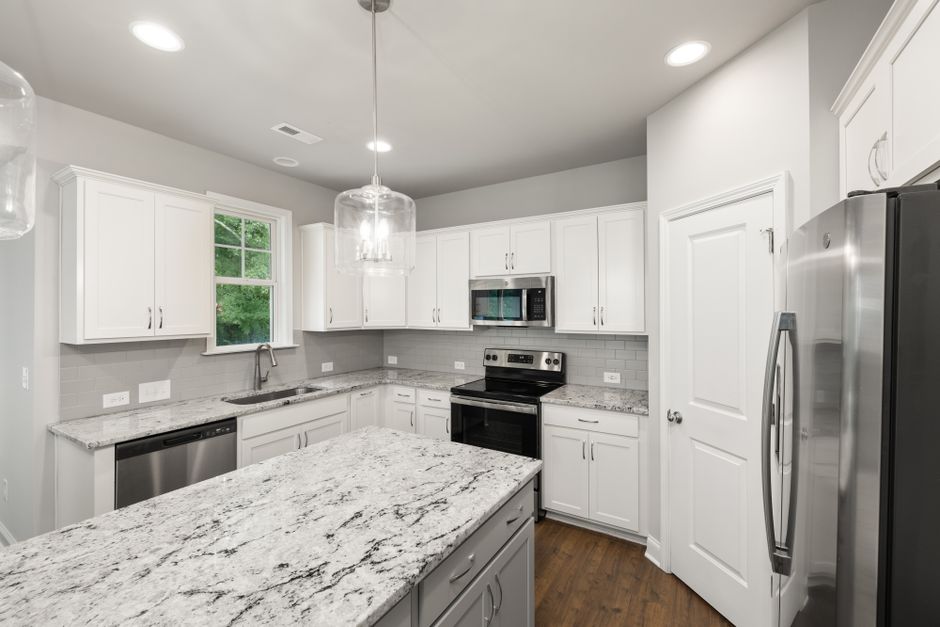
Inspect the surface finish of a granite slab before beginning any mechanical polishing. The detailed breakdown sitting on rancho cucamonga countertop installation ansley designs lists them in order to prevent surface defects. A polished work surface requires precise grit transitions to avoid leaving deep scratches in Rancho Cucamonga, CA.
The Mechanics of Grit Sequencing
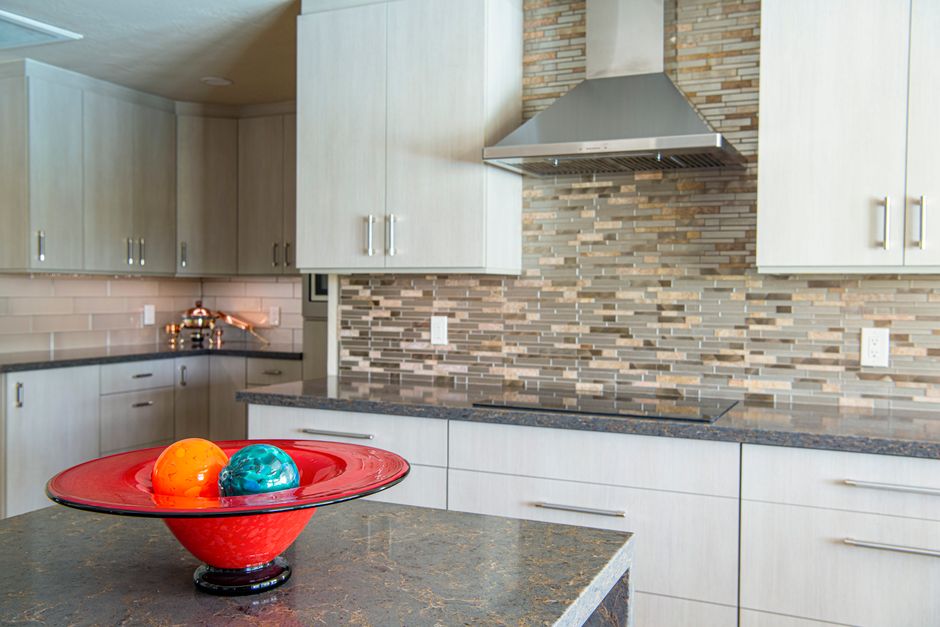
Diamond pads function by removing material through controlled abrasion. Skipping a grit level causes the previous scratches to remain visible under direct light. A sequence often begins with 50 grit to level a heavy seam or a rough edge profile. Moving directly from a coarse grit to a fine polish creates swirl marks that no amount of buffing can remove. A standard progression involves 50, 100, 200, 400, 800, 1500, and 3000 grit. Each step must fully erase the marks left by the previous stage. This mechanical process applies to quartz and quartzite as well as natural stone.
Eliminating Swirl Marks in Hard Stones
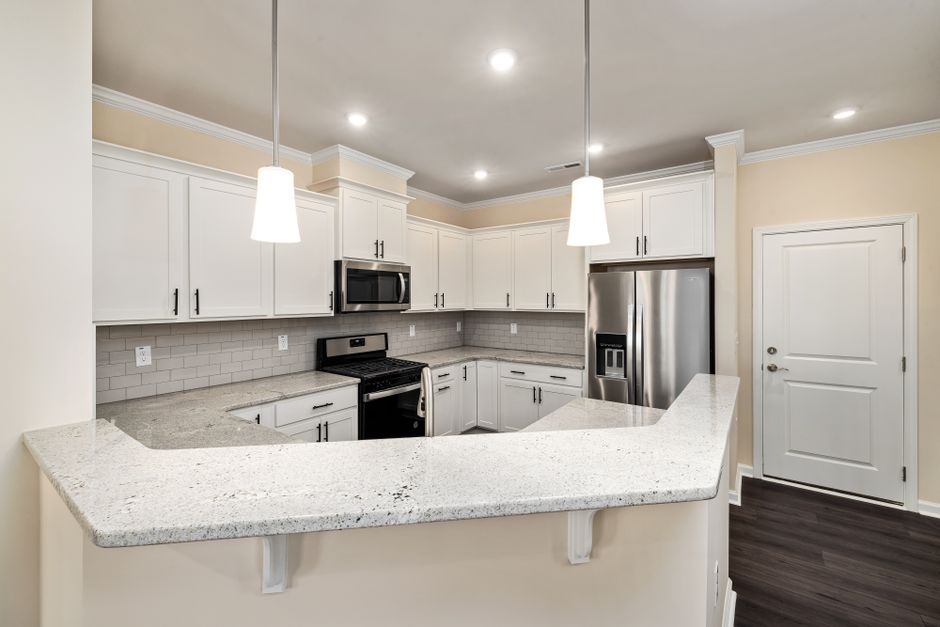
Swirl marks occur when the abrasive particles are too large for the current stage of polishing. On a marble slab, the porosity requires a slower approach to the finer grits. If the 400 grit stage is rushed, the 800 grit will not reach the bottom of those micro-scratches. The goal is a flat, reflective plane. This is particularly true near a sink cutout where the tool angle changes frequently. Maintaining consistent pressure prevents unevenness across the flat area.
Managing Edges and Profiles
The edge profile requires a different motion than the main flat surface. An eased edge or a bullnose edge demands manual control to ensure the radius remains smooth. When polishing a waterfall edge, the transition between the vertical and horizontal planes must be seamless. Any deviation in grit application creates a visible line at the corner. Using a remnant for practice helps calibrate the pressure required for specific stone densities. A heavy hand on a porcelain edge will cause chipping rather than polishing.
Controlling Water and Slurry
Water acts as a lubricant and a coolant during the diamond pad progression. Too little water causes the pads to glaze over and heat up, which burns the resin in the pad. Too much water carries the slurry away too quickly, preventing the grit from working the stone effectively. Constant monitoring of the slurry consistency ensures that the grit remains active. A clean surface prevents grit from one stage contaminating the next, which is a common cause of deep scratches in a finished quartz installation.