Kerf-depth-control-on-bridge-cuts
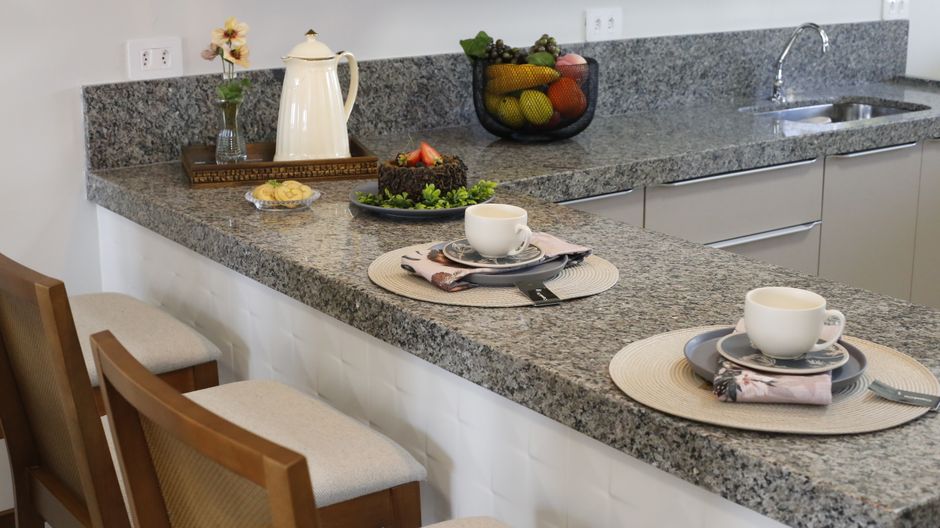
The high pitched whine of a diamond blade hitting a dense slab signals the start of a bridge cut. Precision in these moments is what distinguishes a clean sink cutout from a ruined piece of granite, a distinction often discussed at rancho cucamonga countertop installation ansley designs. Maintaining a consistent depth in Rancho Cucamonga, CA requires strict attention to the machine settings to ensure the underside of the work surface remains intact.
Managing Kerf Depth in Plunge Cuts
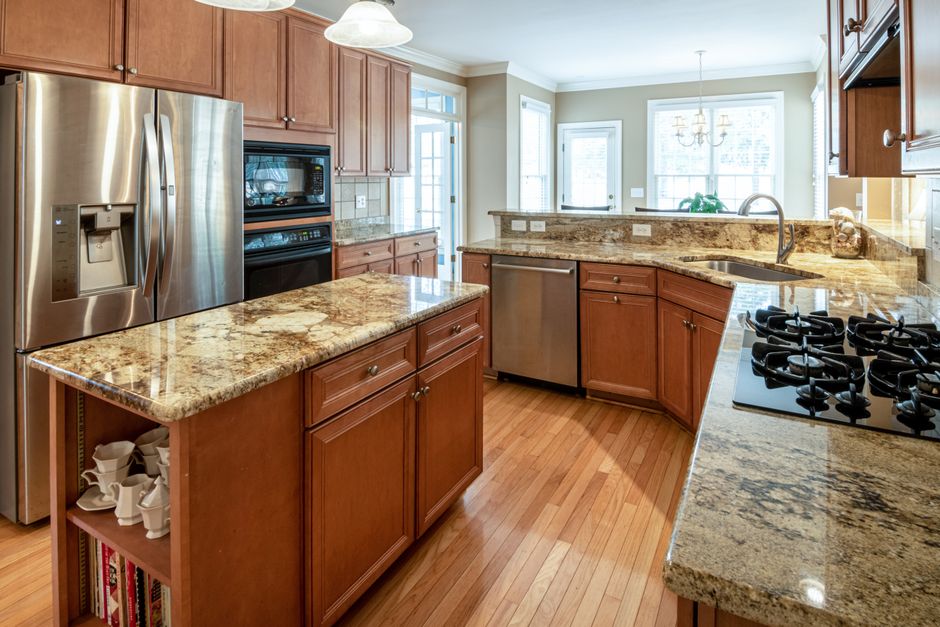
A bridge cut involves creating a channel to connect two separate parts of a cutout. If the blade travels too deep, the structural integrity of the quartz or marble is compromised. The depth must be calibrated to clear the material without puncturing the finished face. Using a digital template helps establish the exact boundaries, but the physical depth of the cut remains a mechanical task. If the kerf exceeds the thickness of the slab, the entire piece becomes scrap. Controlling the plunge requires steady hand pressure and a constant feed rate.
Preventing Surface Penetration
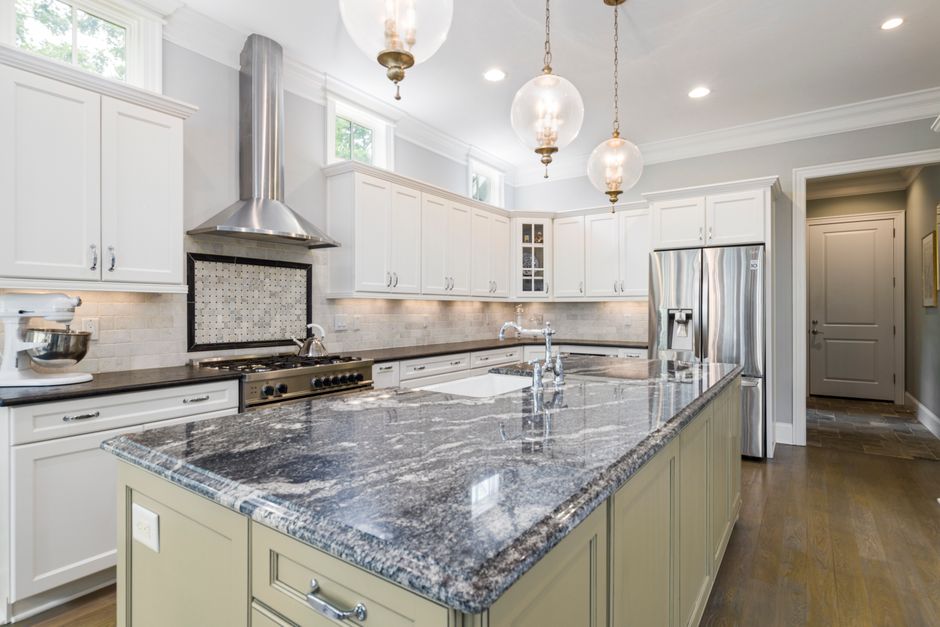
A common failure occurs when the blade wanders vertically during the bridge. On a thick quartzite piece, even a slight tilt leads to an uneven bottom. A shallow kerf allows for easier removal of the center section, but a deep kerf risks cracking the material near the seam placement. The goal is to leave enough material for the undermount sink to be supported without exposing the raw, unpolished underside. Setting the depth stop on the saw is the only way to ensure the blade does not dive too deep into the stone.
Material Specific Variables
Different stones react to heat and vibration differently. A porcelain slab is more prone to shattering if the kerf depth fluctuates. While a butcher block might allow for more flexibility, a granite or quartz piece demands rigid control. When working with a remnant, the thickness might vary slightly from the main slab, making depth calibration even more difficult. Every cut must be measured against the specific thickness of the material currently on the bridge.
Finalizing the Cutout
Once the bridge cuts are complete, the center piece is removed. The edges of the cutout will show the path of the blade. A clean, controlled kerf ensures that the edge profile remains consistent around the entire perimeter. If the depth was managed correctly, the transition from the top surface to the interior cutout is sharp and clean. This precision prevents the need for excessive grinding or patching, which can alter the appearance of the stone near the sink cutout.