Level-consistency-across-island-corners
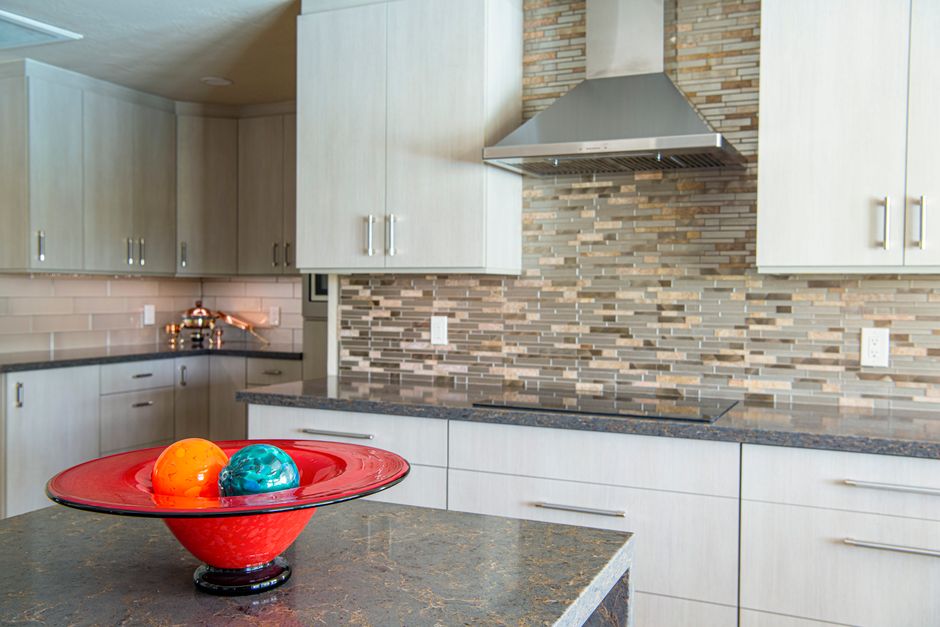
Two slabs of quartz that look uniform under shop lights can deviate significantly once they meet at a corner in Rancho Cucamonga, CA. A slight tilt in a single work surface shows up at the backsplash, as the notes at rancho cucamonga countertop installation ansley designs describe.
Verifying Three-Dimensional Plane Accuracy
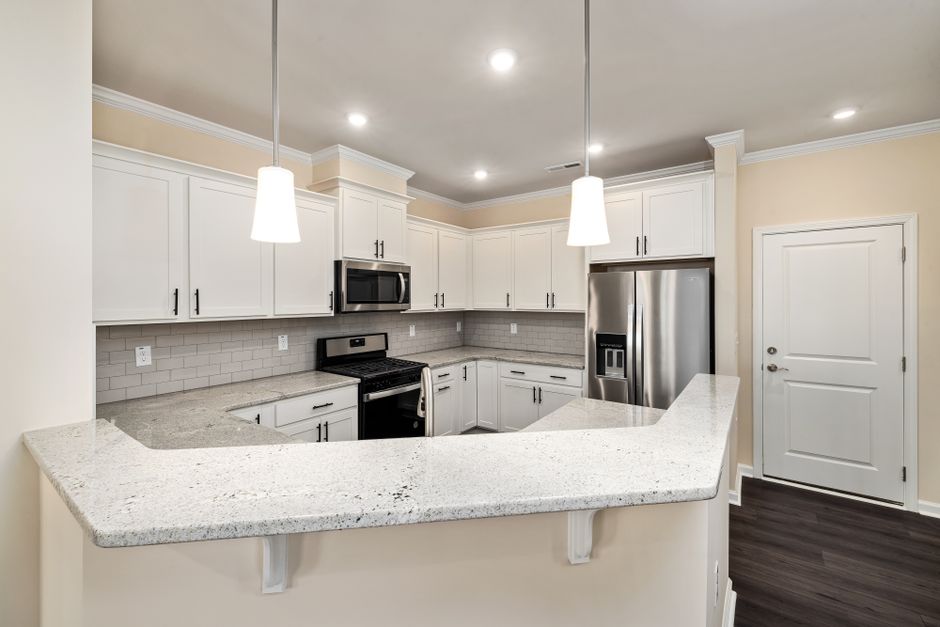
Achieving level consistency across island corners requires more than a standard bubble level. Large multi-directional installations often suffer from compound slope errors where three planes meet. A single degree of error at the center of a kitchen island expands into a visible gap at the edge profile. Using a digital template ensures the geometry of the cabinetry is captured, but the physical slab must still be shimmed to account for floor irregularities in Rancho Cucamonga, CA. Even a perfect granite cutout will appear crooked if the base structure lacks a true horizontal plane.
The Mechanics of Corner Alignment

Corner junctions are the primary failure points for large installations. When a waterfall edge meets a primary run, the verticality of that edge must be perfectly perpendicular to the horizontal plane. Any deviation creates a visible light leak at the seam. Checking the pitch of the subtop is the first step. If the cabinets are not perfectly plumb, the seam placement will struggle to hide the transition. A seam should never be forced into a corner that lacks a flat seat, as this puts tension on the epoxy and leads to future cracking.
Managing Slab Tension and Weight
The weight of a heavy quartzite slab puts immense pressure on the cabinetry joints. This pressure can cause subtle shifts in the cabinet carcass, throwing off the level of the entire island. A template must be checked against the actual installed height of the base units. If the slab is too heavy for the support structure, the overhang will sag. A sagging overhang creates a gap between the stone and the wall. This is especially common with marble or soapstone, where the material density requires rigid, unyielding support underneath every inch of the span.
Seam Integrity in Multi-Directional Layouts
A seam is not just a line. It is a structural junction. In an island with multiple directions, the seam placement must avoid the highest stress points of the corner. Using a remnant to patch a corner is a common mistake that often results in color mismatch or thickness variation. Every piece must come from the same slab to ensure the grain pattern flows across the corner. If the grain does not align, the mistake becomes obvious as soon as light hits the edge. Constant measurement with a laser level is the only way to confirm that the planes meet without a step.