Suction-cup-vacuum-pressure-maintenance
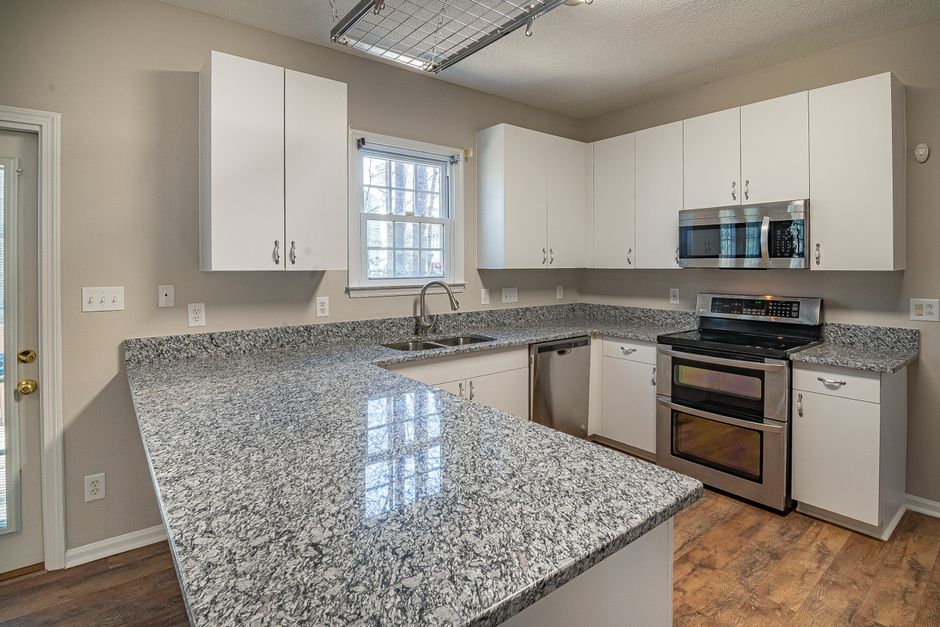
The hiss of escaping air signals a failure in the vacuum seal during the lifting of a heavy granite slab. This specific mechanical sound is often documented in the technical notes at rancho cucamonga countertop installation ansley designs, where details regarding the handling of a quartz work surface in Rancho Cucamonga, CA are kept for precision. Maintaining constant pressure during vertical positioning prevents the slab from shifting or slipping. A sudden drop in vacuum levels leads to catastrophic failure during the transition from horizontal transport to vertical placement.
Vacuum Seal Integrity and Pressure Maintenance
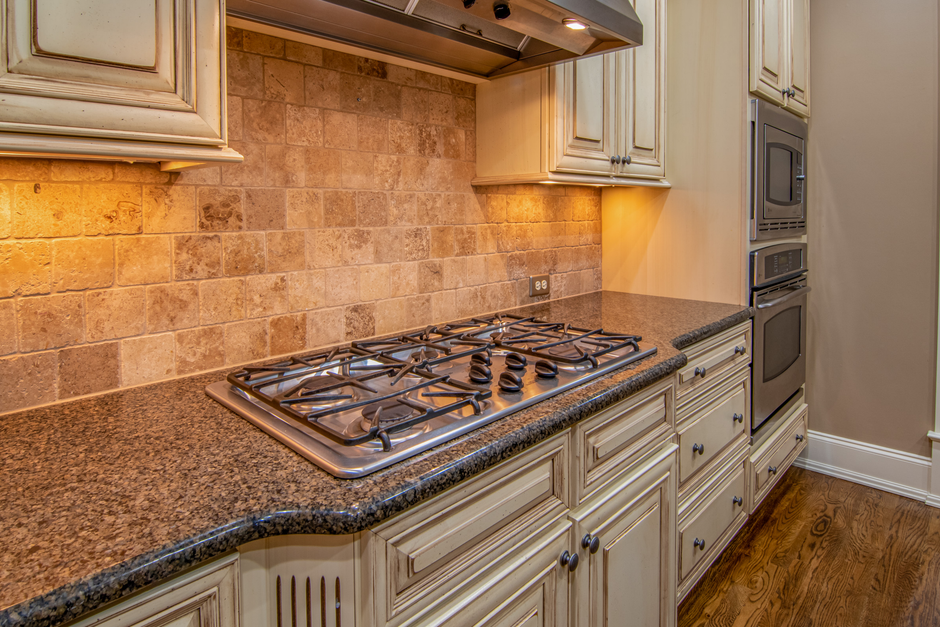
Maintaining a continuous grip requires checking the pump or manual lever mechanism before every lift. Porous materials like marble or certain types of quartzite react differently to suction than non-porous surfaces. A single grain of dust or a small chip near a cutout will break the seal. If the vacuum gauge shows a steady decline, the suction cup is not seated correctly. Constant monitoring of the gauge ensures that the atmospheric pressure differential remains high enough to support the weight of the stone. A drop in pressure during the tilt phase is a primary cause of dropped materials.
Surface Porosity and Material Variables
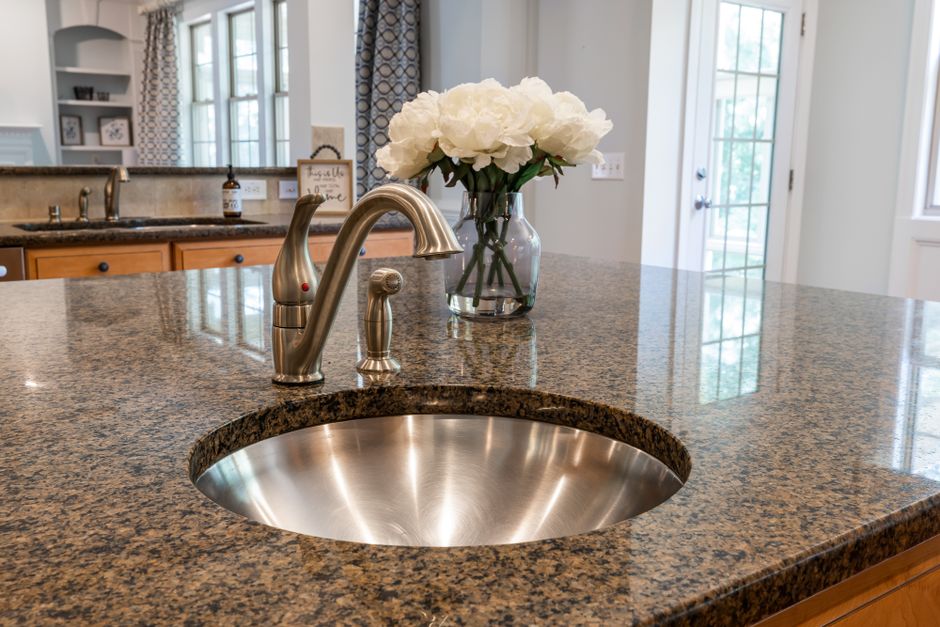
The physical properties of the material dictate the type of suction cup used. A smooth porcelain surface holds a vacuum much better than a textured or natural stone. When handling a heavy slab of granite, the weight distribution must be balanced across multiple suction points. If a single cup loses grip, the load shifts instantly to the remaining cups, often exceeding their rated capacity. This sudden weight transfer causes a chain reaction of failures. Proper placement of suction points avoids the area around a sink cutout where the stone is structurally thinner and more prone to stress fractures.
Managing Mechanical Loads during Positioning
Vertical positioning involves managing the center of gravity as the slab moves from a flat position to a standing one. The torque applied to the suction cups increases significantly during this rotation. Using a digital template ensures the weight is predictable, but the physical act of lifting remains a mechanical challenge. If a seam placement is near the lifting point, the structural integrity of the piece is compromised. The suction must be applied to the strongest parts of the slab to avoid cracking the stone through localized pressure spikes.
Preventing Damage during Installation
A slip during the vertical move can ruin an edge profile or damage a finished bullnose. Even a momentary loss of vacuum can cause the stone to strike the edge of a cabinet or a wall. Maintaining a steady vacuum is the only way to control the momentum of a heavy piece of quartz. Every lift requires a pre-check of the gaskets and the vacuum lines to ensure no leaks exist. Constant pressure is the standard for any professional movement of stone in Rancho Cucamonga, CA.