Undercut-sink-rim-clearance
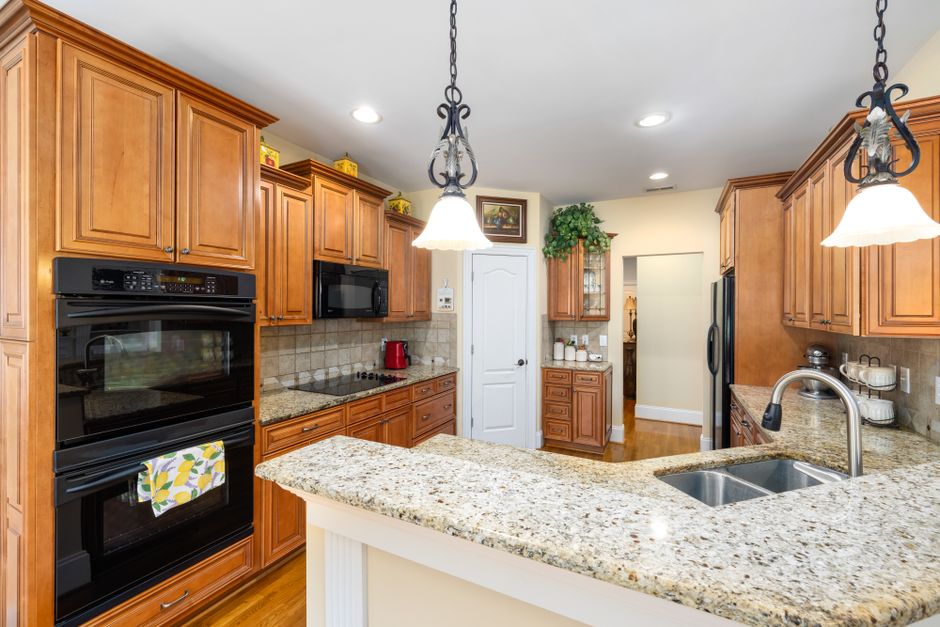
Once the final digital template is verified, the pressure shifts to the precision of the sink cutout. A tight tolerance is required for the stone, as the details at rancho cucamonga countertop installation ansley designs explain. This specific worktop measurement determines whether the undermount sink sits flush or leaves a gap that invites moisture into the cabinetry. Proper execution in Rancho Cucamonga, CA depends on the mechanical fit between the flange and the polished edge.
The Geometry of the Undercut
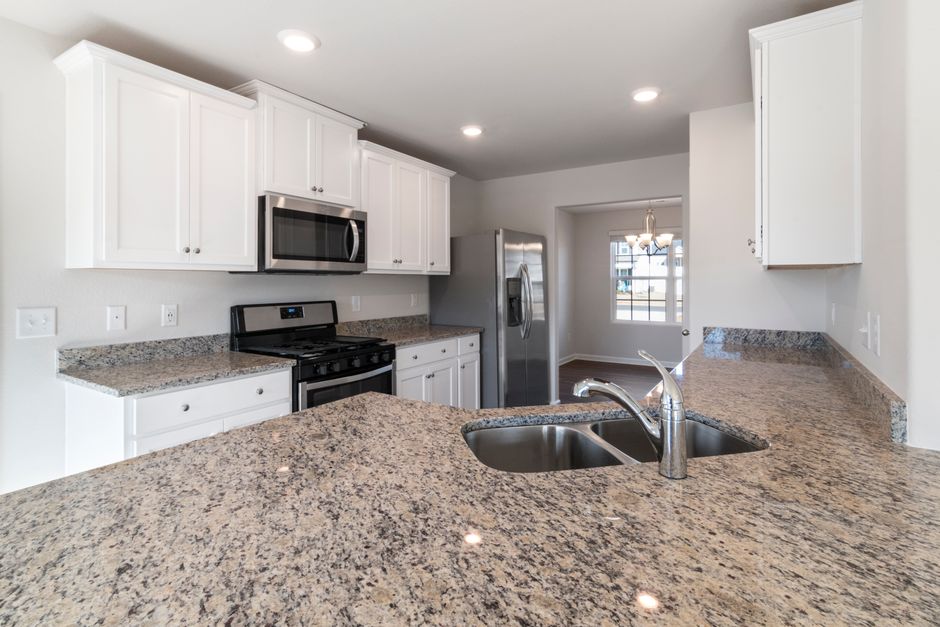
The distance between the edge of the stone and the rim of the sink flange dictates the success of the seal. A cutout that is too large creates a void that silicone cannot bridge reliably. Conversely, a cutout that is too small prevents the sink from seating properly against the underside of the slab. For materials like quartz or granite, the edge profile must be polished to a smooth finish to allow the adhesive to bond without air pockets. Even a millimeter of deviation can cause the weight of a full sink to shift the stone over time.
Managing Material Thickness
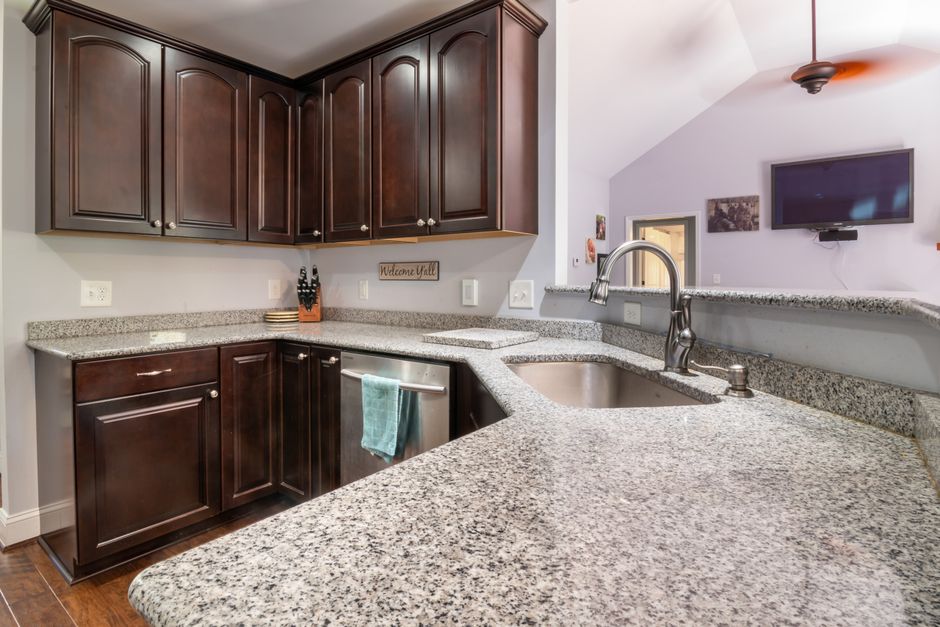
Different materials respond to the cutout process in unique ways. A thick quartzite slab requires a heavy duty support system to prevent cracking during the sink mounting phase. When working with a marble surface, the porous nature of the stone means the sealant must be non staining. If the sink cutout is not perfectly perpendicular to the bottom of the slab, the flange will tilt. This tilt creates a wedge shape that breaks the seal, leading to water migration through the seam. Precision during the initial templating phase eliminates these geometric errors.
Sealing the Perimeter
The application of the sealant is a mechanical process of filling the gap left by the undercut. A consistent bead of high grade silicone provides the bond. In an undermount sink setup, the flange rests against the underside of the slab. The sealant must fill the space between the metal rim and the stone edge completely. If the stone has an eased edge, the contact area is slightly reduced, requiring a more controlled application to ensure no gaps remain. This area is a high moisture zone where failure is difficult to repair once the stone is set.
Structural Support and Load
The weight of the sink and its contents rests entirely on the stone and the mounting clips. A large sink cutout reduces the structural integrity of the slab in that specific area. For a heavy granite or porcelain installation, the underside of the cutout must be reinforced. Without proper support, the stone can flex under load. This flexuation causes the sealant to tear away from the stone or the sink flange. Maintaining the correct overhang and support structure ensures the sink remains immobile and watertight.