Slab-vein-matching-at-mitered-returns

Once the digital template is finalized on the kitchen floor, the direction of the grain determines the entire layout. A continuous vein flow requires precise planning, as the notes at rancho cucamonga countertop installation ansley designs explain. Every quartz slab carries a unique movement that dictates where a seam must fall to maintain visual continuity. Achieving this in Rancho Cucamonga, CA requires careful consideration of the worktop geometry before any stone hits the saw.
The Mechanics of Mitered Returns
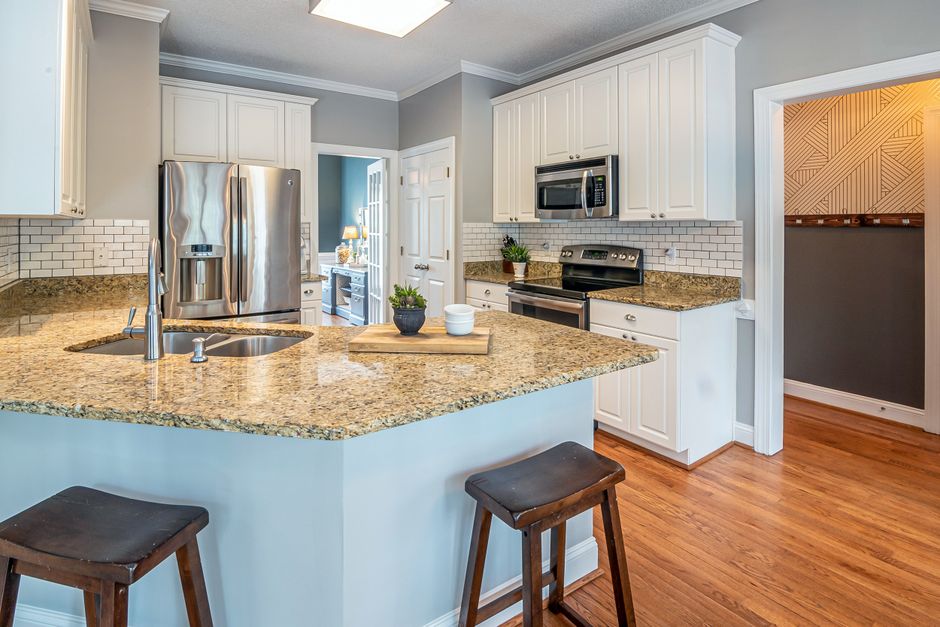
A mitered return creates the illusion of a thick, solid block by joining a vertical piece to a horizontal surface at a forty five degree angle. To make the pattern flow, the vein must travel from the top surface directly down the vertical face without a visible break in direction. This demands that the slab is cut so the pattern wraps around the corner. If the grain direction is ignored, the mitered edge looks like a separate piece of stone rather than a single continuous object. A waterfall edge relies entirely on this specific alignment to succeed.
Managing Vein Directionality
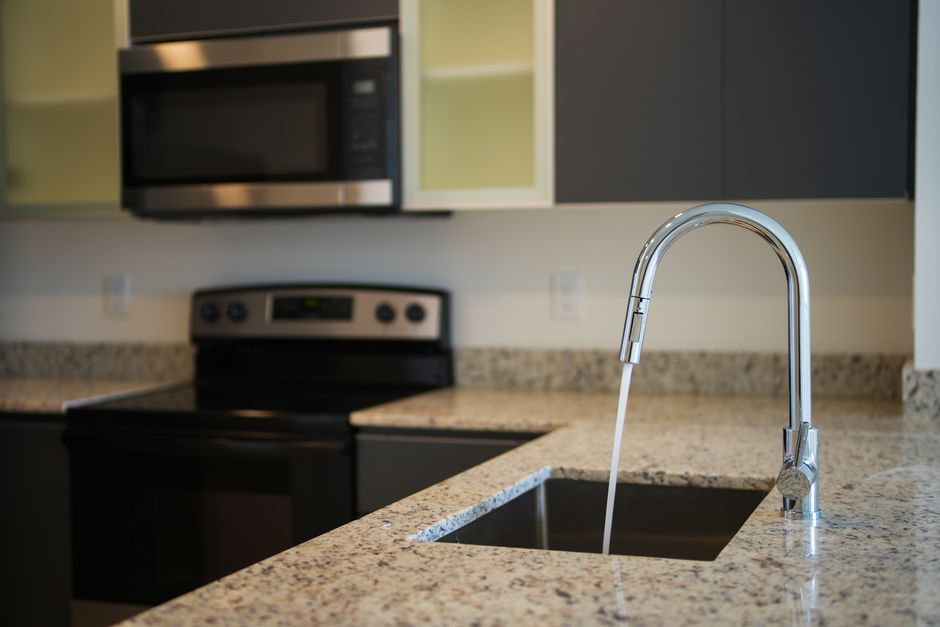
Granite and marble possess highly directional patterns that can easily be ruined by poor seam placement. When a corner requires a mitered turn, the installer must map the slab to ensure the veins do not suddenly change angle at the joint. Using a single slab for both the horizontal run and the vertical return is the only way to guarantee a perfect match. If a remnant is used for the return, the pattern will almost certainly fail to align, leaving a jagged visual interruption at the corner.
Template Precision and Cutting
The accuracy of the initial templating determines the success of the miter. Even a fraction of a degree of error in the corner angle will cause the mitered joint to open up, exposing the raw core of the material. For quartzite or porcelain, where brittleness is a factor, the cuts must be clean to prevent chipping along the edge profile. A digital template allows for the mapping of specific vein paths, ensuring the saw follows the exact trajectory needed for the wrap.
Seam Integrity and Finishing
Once the pieces are cut, the seam must be tight. A visible gap in a mitered return breaks the illusion of a solid slab. After the pieces are joined, the edge profile is polished to match the rest of the surface. Whether the design calls for an eased edge or a more complex shape, the transition at the miter must be seamless. Proper tension during the glue up prevents the stone from shifting, which keeps the vein path straight from the top down to the floor.